-
The WHITE TOWER
The White Tower of Thessaloniki is one of the most iconic landmarks in Greece. It is located on the waterfront of Thessaloniki, (the country’s second-largest city*).
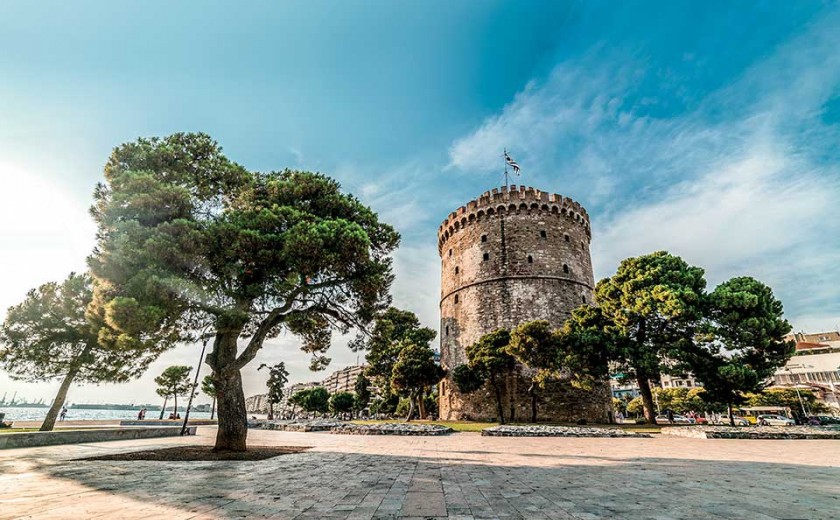
The tower has a long and rich history and has served various purposes over the centuries.
It was originally built by the Ottomans in the 15th century, replaced an older Byzantine structure. During Ottoman rule, it served as a defensive fortress, prison, and execution site.
it has a unique architectural cylinder structure standing 34 meters high (112 feet) with a diameter of 23 meters (75 feet). It has six floors, each accessible by a winding staircase.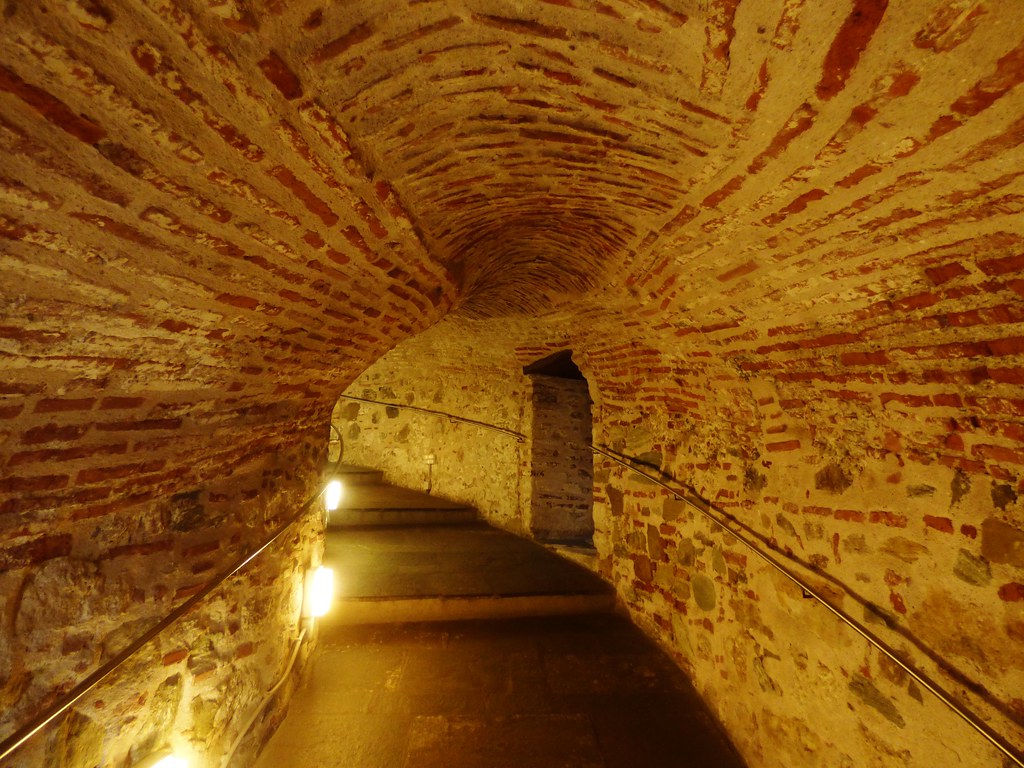
The White Tower is now a museum. It offers exhibits about the history of Thessaloniki, especially from the Byzantine period onward. Visitors can climb to the top, rewarded with panoramic views of the city and the Thermaic Gulf.
Once known as the “Tower of Blood” due to its horrible past, it was later whitewashed as a symbol of cleansing and renamed the White Tower. Today, it symbolizes the city’s vibrant history and cultural heritage.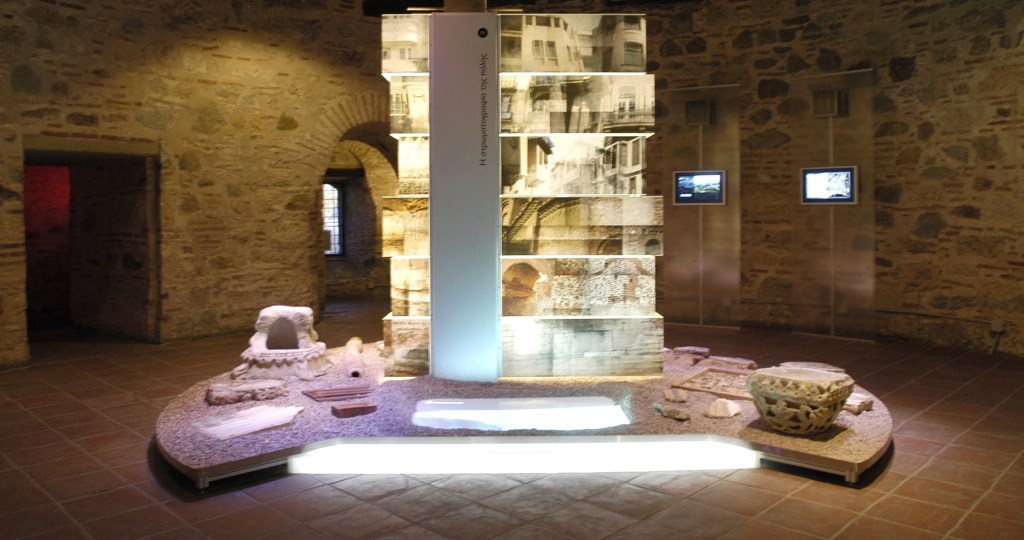
The White Tower stands as a testament to Thessaloniki’s historical significance, blending Ottoman and Byzantine influences. It is a must-see monument for those visiting the city.
the white tower website: https://www.lpth.gr/
Ticket per person: 8 euros.
opening hours and more: https://www.mbp.gr/en/visit/
visiting in side:
Ariel view:
-
TIF Thessaloniki International Fair 2024
7 September – 15 September 2024 – **It is the Last day**

In 2024, Germany will be the official guest country at the Thessaloniki International Trade Fair, and more than 120 German companies will present themselves in their hall, covering over 6,000 square meters of exhibition space.

An extensive supporting program on the host country stage, including planned theme days, educational and networking events, a cultural program, the Hello Ελλάδα! evening on the Helexpo Central Stage, and the guest country reception rounds off the German appearance as Guest of Honour at T.I.F. 2024.
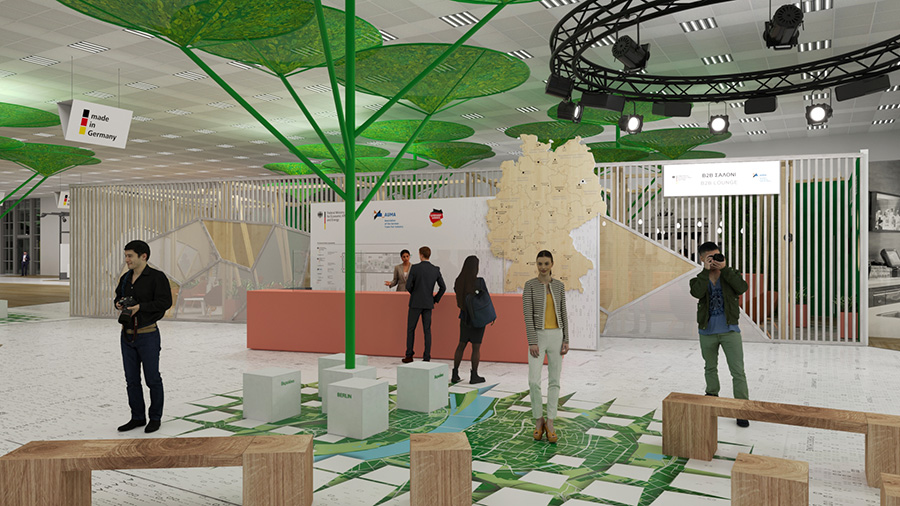
More than 150 companies are presenting :
https://tif-thessaloniki.german-pavilion.com/en/sites/exhibitors

Helexpo official website: https://helexpo.gr/en/
How to get to the exhibition:
Address: Εγνατίας 154, ΔΕΘ, Thessaloniki 546 36
Phone: +302310291111
-
Dali – Cybernetics*
*** Only two days left – Do not miss it ***
Salavador Dali is widely known as one of the most iconic figures of the Surrealist movement; however, his deep-rooted interest in cybernetics, quantum physics and biology has received less attention. Held between April 26 and September 16, the Dali Cybernetics SKG exhibition is a mind-blowing immersive experience into the artist’s universe and offers a completely new perspective into some of his most emblematic works.
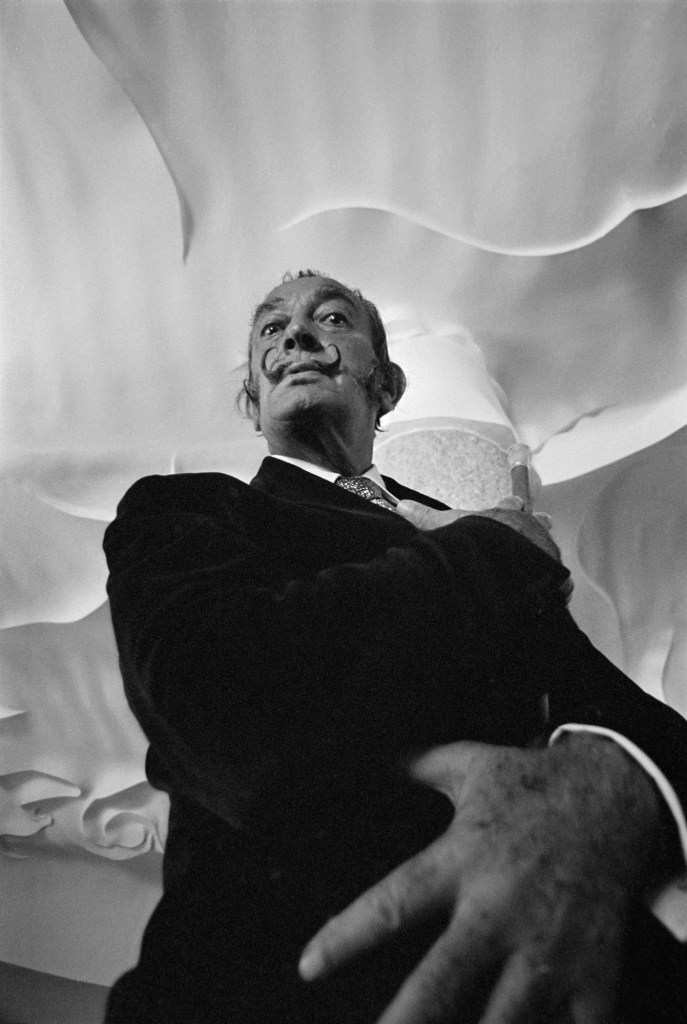
Dali believed that, in order for painting to survive as an art form, it should incorporate the use of computers. To him, computers were the future, and he predicted a time when machines would have the ability to think by themselves and even create art. Using AI, this innovative experience illustrates the way quantum physics, the fourth dimension, sacred geometry, and even DNA sequencing are interpreted in Dali’s art.
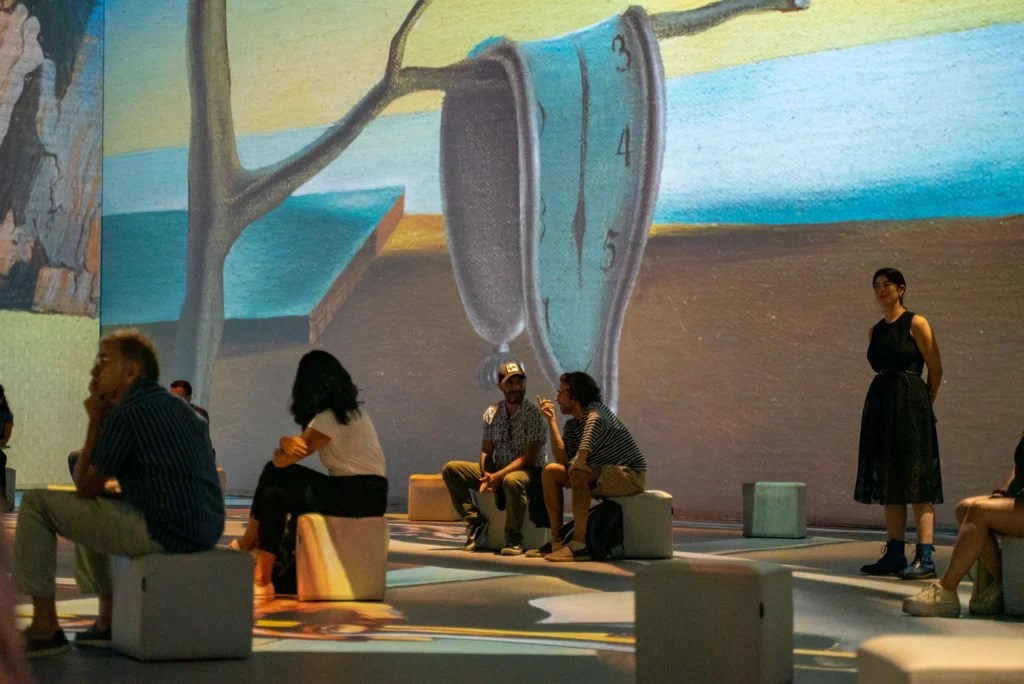
In this exhibition, you can travel into the mind of a genius through a series of 3D projections on screens with a surface area of 400 square meters, where art and technology are combined. Embark on Dali’s dream ship and travel through his artistic worlds in a unique virtual reality experience or engage in an interactive game showing digitalized motifs that are often repeated in his works. Discover the artist within you by painting some of Dali’s favorite motifs and have your creations exhibited on the hall’s walls, or watch a fascinating documentary about his daily life in New York in 1965.
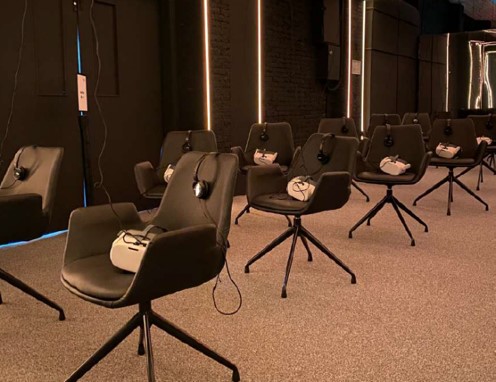
This memorable exhibition is hosted in Warehouse C, in an area with a strong artistic flair in the port of Thessaloniki. It is very easy to find as it stands next to the Experimental Arts Center and opposite the Museum of Photography.
For Booking a ticket:
https://www.more.com/museums/dali-cybernetics-skg-immersive-experience/
-
“UMBRELLAS”
The famous sculptor Giorgios Zoggolopoulos‘ impressive umbrellas artwork is a must-see attraction in Thessaloniki. Centrally located along Nea Paralia, you’ll be charmed by its commanding presence and large size (the umbrellas are 13 meters tall and give the impression that they reach the sky).
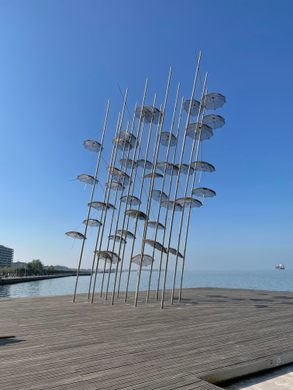
For the record, this particular work by Zoggolopoulos was exhibited for the first time at the Venice Biennale in 1993, where it received excellent reviews, and in 1997, was displayed outside the Macedonian Museum of Contemporary Art in Thessaloniki.
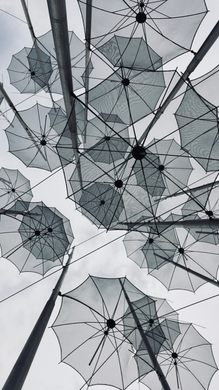
Address: 7, Avenue Megalou Alexandrou, 54640 Thessaloniki
-
“KAOS*”
KAOS, not Chaos, is a Netflix series that offers a unique dark, comedic, and modern approach to Greek mythology, and it’s not a mistake. The series begins with Zeus (God of the gods), who discovers a wrinkle on his forehead—a symbol of an ancient prophecy foretelling his downfall. This discovery throws him into a paranoid tailspin, fearing an imminent end to his reign.

Meanwhile, Hera, his wife (and his sister), grow tired of her husband’s arrogance, and infidelity, and Hades, the god of the underworld (Zeus Brother), is grappling with his own existential crisis, overseeing a realm that’s losing its grip on the souls of the dead. At the same time, we follow a group of humans who are entangled in the gods’ affairs. This includes Orpheus, who choose a dangerous journey into the underworld to save his lover; Riddy, a modern-day figure dealing with the consequences of the gods’ sudden desire; and other mortals who accidentally finding themselves caught up in the divine chaos. As the gods struggle with their own insecurities and power plays, the humans seek to break free from the gods’ influence, challenging the established order of the universe. The series unfolds as a complex web of interwoven narratives, combining elements of dark comedy, drama, and fantasy. After watching four chapters, we are certain that this series is giving a unique and modern perspective on Greek mythology, blending ancient stories with dark humor.
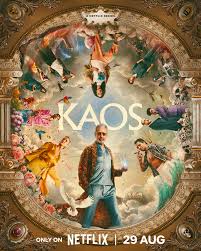
For the serie trailer-> https://youtu.be/dHch7yki1q4?si=9qxseS5RgXxuw5Zm
4 stars out of 5
Let us know what is your impression, KAOS or Chaos?
-
Kalamaria
Kalamariá (Greek: Καλαμαριά, Port Side) is among the most densely populated suburbs in Thessaloniki, located about 7 kilometres southeast of the downtown area, known for its beautiful seafront, parks, and a lively cultural scene.
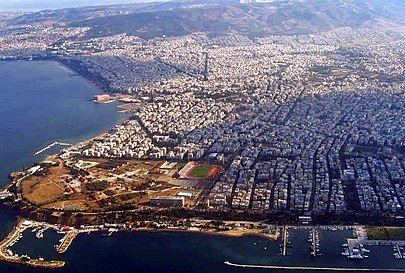
This suburb has a rich history, dating back to the early 20th century, when it was established as a settlement for Greek refugees fleeing Asia Minor.
The history has shaped the area into a unique blend of old and new, with traditional buildings standing alongside modern apartments and commercial centers.
while visiting Kalamaria, yous should check out
Nea Krini: A popular neighborhood within Kalamaria, known for its scenic waterfront lined with cafes, restaurants, and bars. It’s a favored spot for both locals and visitors to enjoy the sea view and vibrant nightlife.
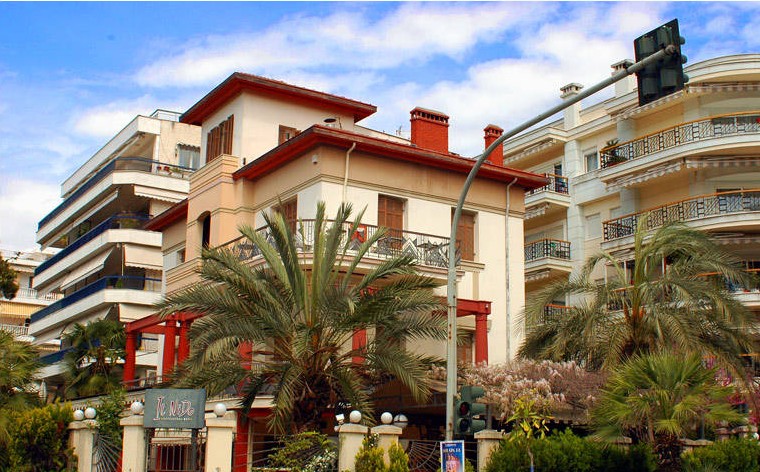
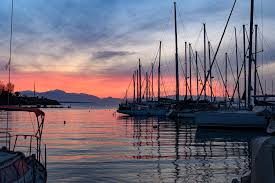
The Nautical Club of Kalamaria: A hub for sailing enthusiasts, offering sailing courses and hosting various maritime events throughout the year.
Kalamaria is home to several cultural institutions, including the Municipal Theater and the Municipal Art Gallery, which host exhibitions, plays, and other cultural events.
and the Parks and Green Spaces: Kleanthis Vikelidis Stadium and the area around it being popular for sports and outdoor activities.
and for shopping, coffee shop and amazing restaurants – visiting the pedestrial are of kalmaria is the right option.
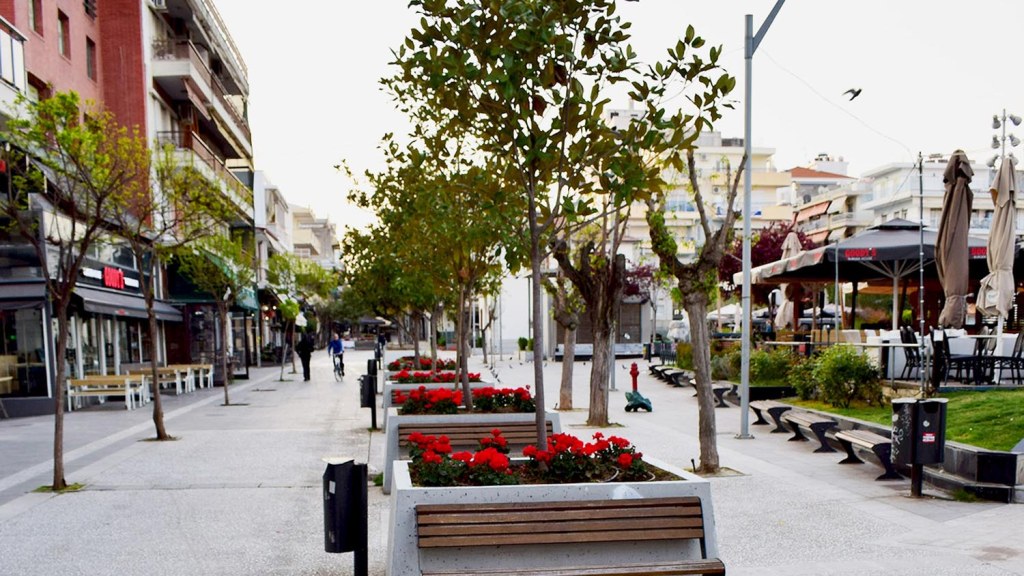
Overall, Kalamaria is a lively and attractive part of Thessaloniki, combining the charm of a seaside location with the conveniences of urban living.
Thessaloniki has a lot to offer, just let us know what you like and we can direct you to it.
-
Ladadika
Ladadika is one of the most historic and vibrant districts in Thessaloniki. Located near the city’s port and the central Aristotelous Square , Ladadika has a rich history that reflects the broader cultural and economic evolution of Thessaloniki.
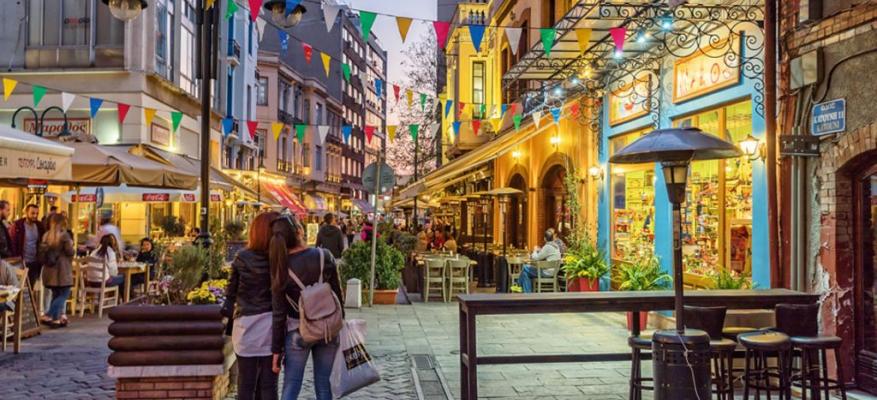
The name “Ladadika” comes from the Greek word “λάδι” (ladi), meaning “oil,” because the area was historically home to many shops dealing in oil and other goods.
(you can still notice the warehouses converted into stores / restaurants and pubs), During the Ottoman period and into the early 20th century, Ladadika was the commercial heart of Thessaloniki, bustling with warehouses, shops, and markets. The district was a major hub for trade, especially in oils, spices, and other imported goods.
The ladadika quarter, began to decline after World War II, particularly following the Great Fire of 1917, which destroyed large parts of Thessaloniki. The fire didn’t completely destroy Ladadika, but the district suffered from neglect and urban decay in the decades that followed. By the 1970s, Ladadika had become a rundown neighborhood, with many buildings abandoned.
the “comeback” starts in the early 1990s, Ladadika underwent a significant revitalization effort as part of a broader movement to preserve Thessaloniki’s historical districts. Many of the old, dilapidated buildings were restored, and the area was redeveloped as a cultural and entertainment district. The Greek Ministry of Culture designated Ladadika as a historical site, helping to protect its unique architectural heritage.
Nowadays, Ladadika is one of the most lively and popular areas in Thessaloniki. The district is known for its vibrant nightlife, with a wide variety of restaurants, bars, cafes, and nightclubs. It’s a place where locals and tourists alike come to enjoy the atmosphere, which combines the charm of its historical past with a modern, cosmopolitan vibe.
From architectural point of view, Ladadika is characterized by a mix of neoclassical and Ottoman-era buildings, many of which have been beautifully restored. The narrow, cobblestone streets and colorful facades give the area a distinctive and picturesque character, making it a popular spot for both daytime exploration and evening entertainment.
while visiting, you shouldn’t miss the Katouni Street , it is the main street in Ladadika, known for its many bars and restaurants.
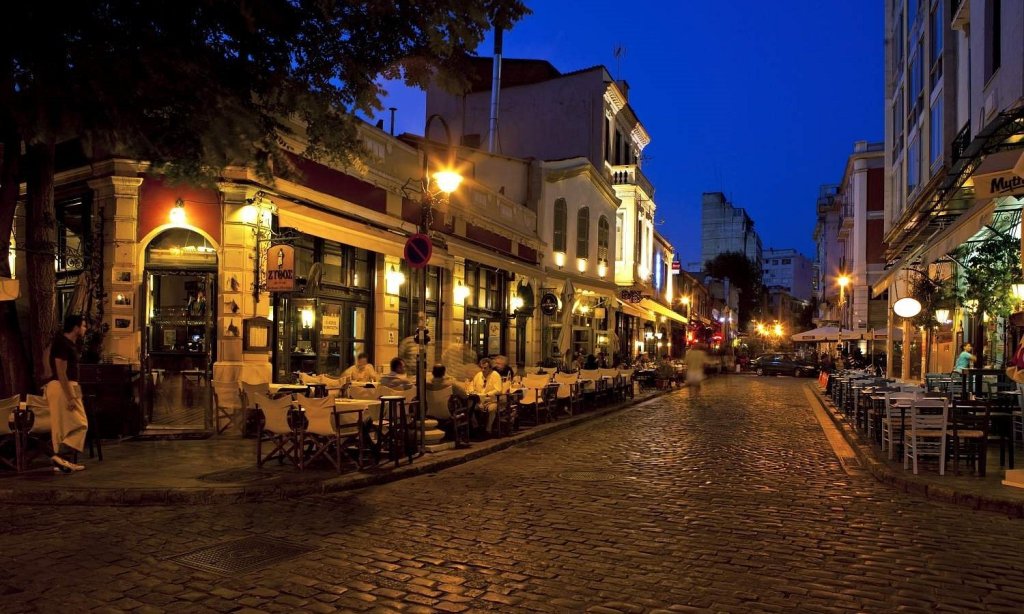
at our previous visit, many new coffee shops and bars offering Greek beer just opened.
You are more then welcome to try and to share your impressions with us:)
-
“Thessalonike*”
Thessaloniki, Greece’s second-largest city, has a rich history that spans over two millennia, making it one of the most historically significant cities in Europe. Its history is marked by its strategic location as a crossroads of civilizations, cultures, and trade routes, influencing the city’s development and character.
Founding and Ancient Period (315 BC – 4th century AD)
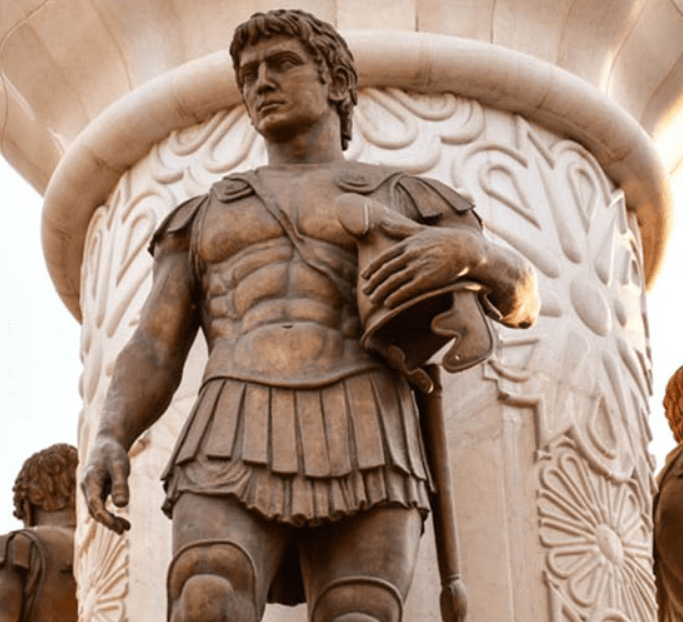
Thessaloniki was founded in 315 BC by Cassander, one of Alexander the Great’s generals. He named the city after his wife Thessalonike, the sister of Alexander and daughter of King Philip II of Macedon. The city quickly grew due to its strategic location on the Via Egnatia, the Roman road that connected the Adriatic Sea with Byzantium (modern-day Istanbul).
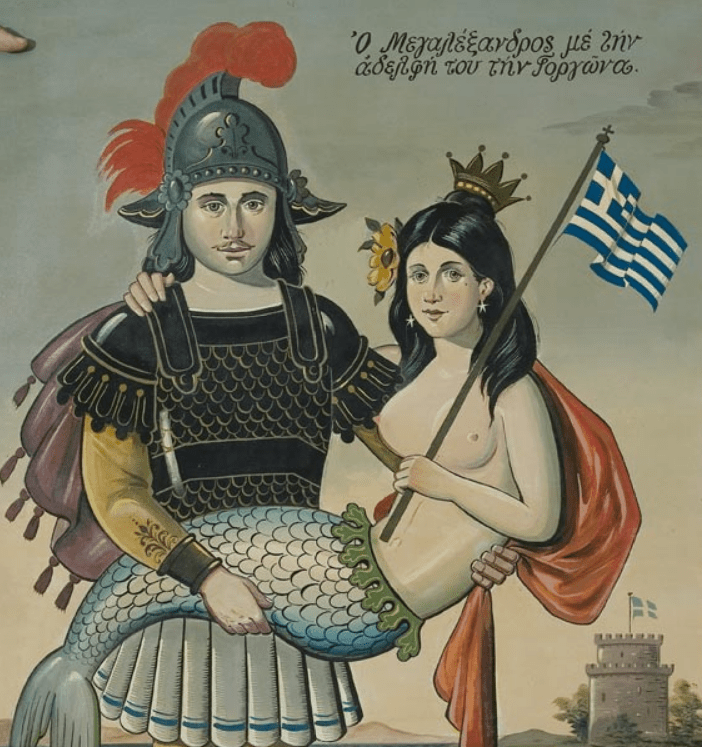
During the Hellenistic period, Thessaloniki became a major urban center in the Kingdom of Macedon. The city was incorporated into the Roman Empire in 146 BC, and it flourished as a significant trade hub and administrative center. The Apostle Paul visited Thessaloniki in the 1st century AD, establishing an early Christian community there, which is mentioned in the New Testament.
Byzantine Era (4th – 15th century)
With the division of the Roman Empire in 395 AD, Thessaloniki became a crucial city in the Byzantine Empire. It was the empire’s second-most important city after Constantinople. The city was heavily fortified and was a center of trade, culture, and religion.
Thessaloniki faced numerous invasions and sieges during the Byzantine period, including attacks by Goths, Slavs, and Saracens. Despite these challenges, the city remained a vibrant cultural and religious center, producing notable figures such as Saint Demetrius, the city’s patron saint.
In the 9th century, the city became a key center for the spread of Christianity to the Slavic peoples. The brothers Cyril and Methodius, who were born in Thessaloniki, played a crucial role in this mission, creating the Glagolitic alphabet, the precursor to the Cyrillic script.
Ottoman Rule (1430 – 1912)
In 1430, Thessaloniki fell to the Ottoman Empire after a prolonged siege. Under Ottoman rule, the city maintained its importance as a trade center and became a melting pot of different cultures and religions, including Greek Orthodox Christians, Muslims, and Jews. The Jewish community, in particular, flourished, especially after the influx of Sephardic Jews expelled from Spain in 1492, making Thessaloniki one of the largest Jewish centers in the world.
Modern Era (19th century – Present)
In the 19th century, Thessaloniki played a significant role in the Greek War of Independence, although it remained under Ottoman control until 1912, when it was liberated during the Balkan Wars and became part of the modern Greek state.
During the 20th century, Thessaloniki experienced significant events, including the Great Fire of 1917, which destroyed much of the city and led to a major urban redesign. The city was also affected by the population exchanges between Greece and Turkey in the 1920s, which significantly altered its demographic makeup.
During World War II, Thessaloniki was occupied by Nazi Germany, and its Jewish community suffered devastating losses in the Holocaust, with over 90% of the community being deported and murdered in concentration camps.
After the war, Thessaloniki underwent significant reconstruction and growth. Today, it is a vibrant city known for its rich cultural heritage, including its Byzantine monuments, Ottoman architecture, and a lively cultural scene. Thessaloniki is also an important economic hub in Greece and the wider Balkan region.
The city’s long and diverse history is reflected in its architecture, cultural institutions, and the diverse communities that have called it home over the centuries.
-
Agora Modiano
Agora Modiano is one of the most famous markets in Thessaloniki, Greece. It’s a historic and colourful market that has been a vital a part of the town’s business life for over a century.
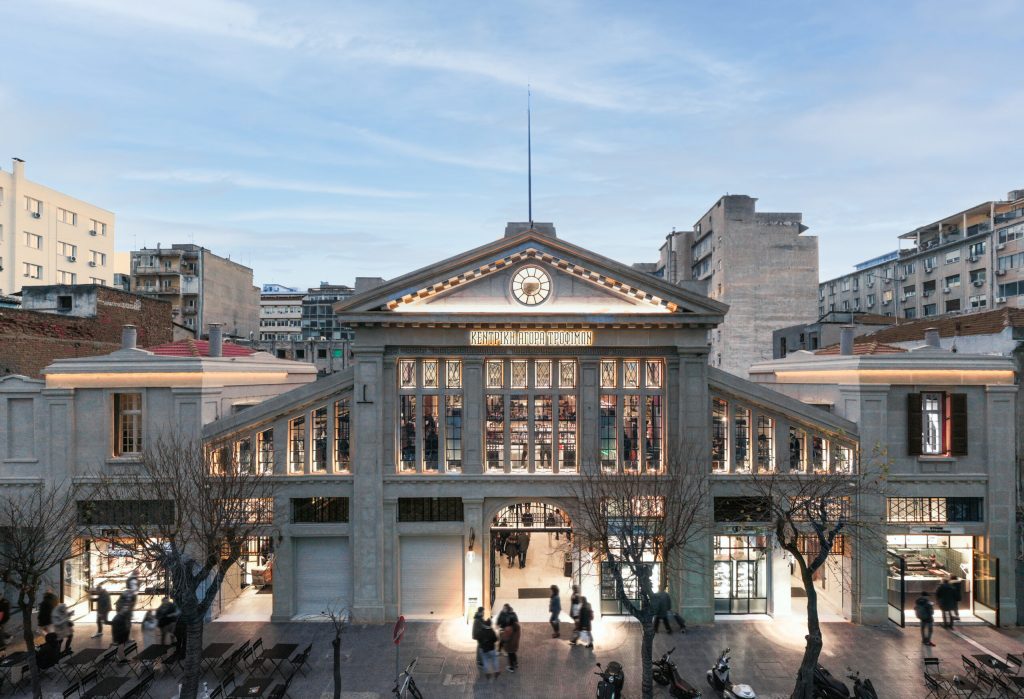
Agora Modiano Facade It was built between 1922 and 1925 via Eli Modiano, a member of the outstanding Jewish Modiano circle of relatives, which changed into influential in the town’s enterprise community.
The marketplace is placed inside the heart of Thessaloniki, close to Aristotelous Square (The city main Square*) and near different important markets like Kapani (Vlali Market) and Athonos.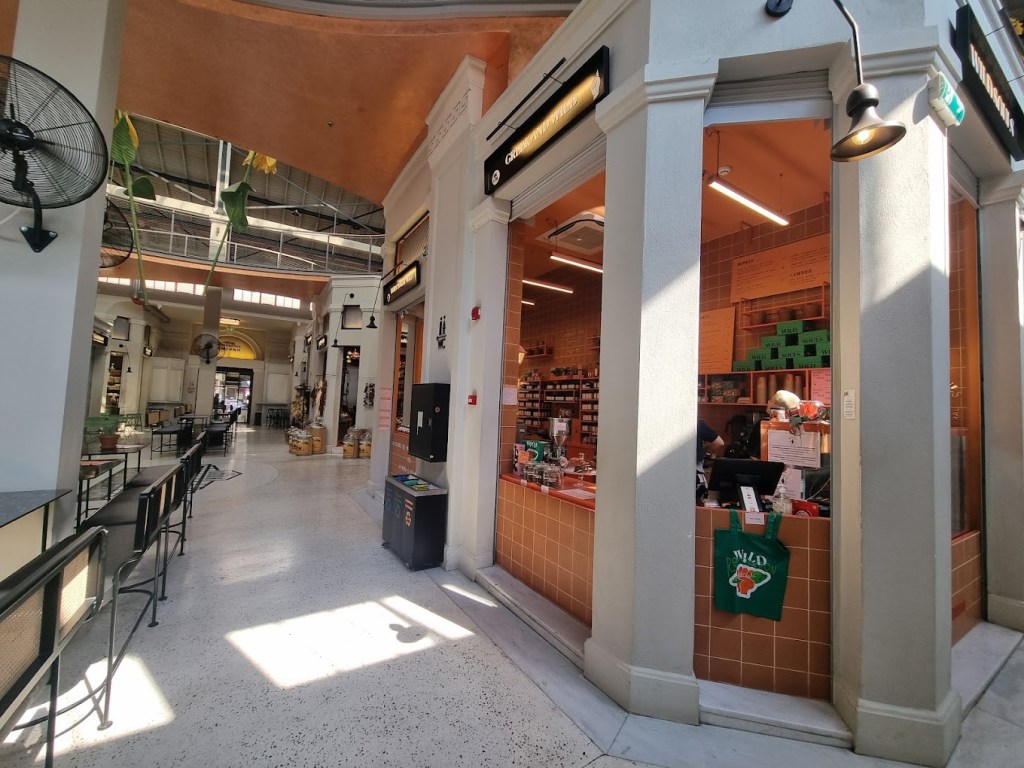
The market is housed in a unique neoclassical building with a big, protected important hall, making it an iconic structure inside the metropolis.
The constructing features iron columns, glass roofs, and tiled flooring, giving it a unique and historic attraction.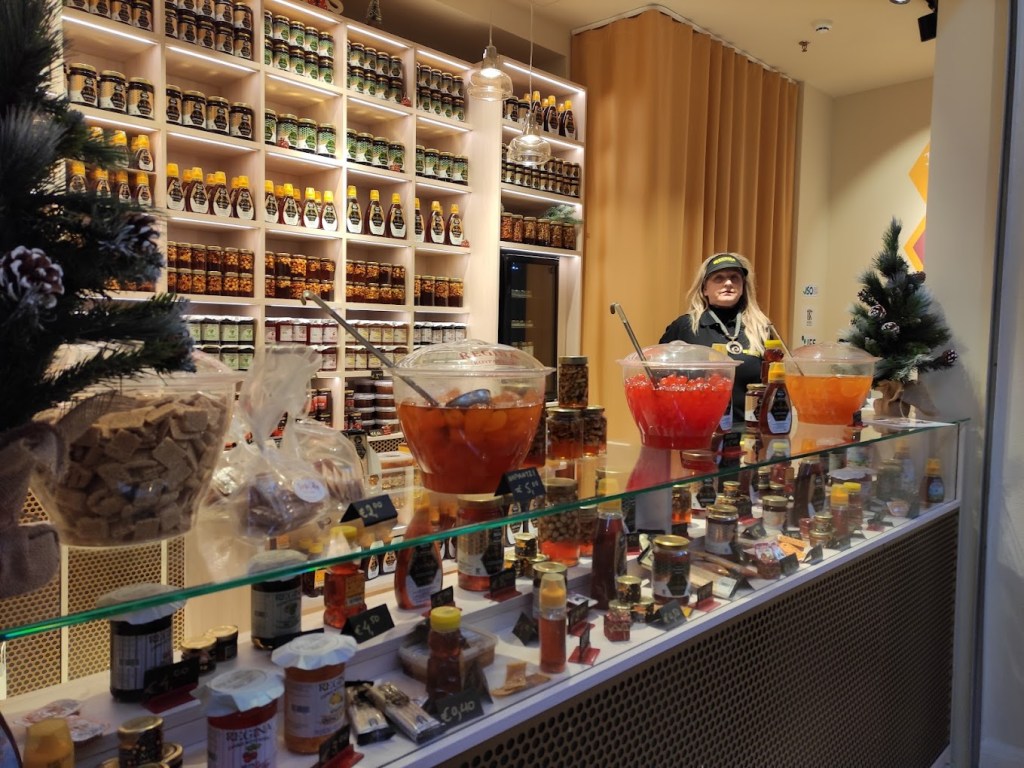
Agora Modiano is a traditional marketplace in which locals and tourists alike can buy sparkling produce, meat, fish, spices, cheeses, and different neighborhood goods.
It additionally hosts small eateries, cafes, and delis, providing conventional Greek and Thessaloniki-unique dishes.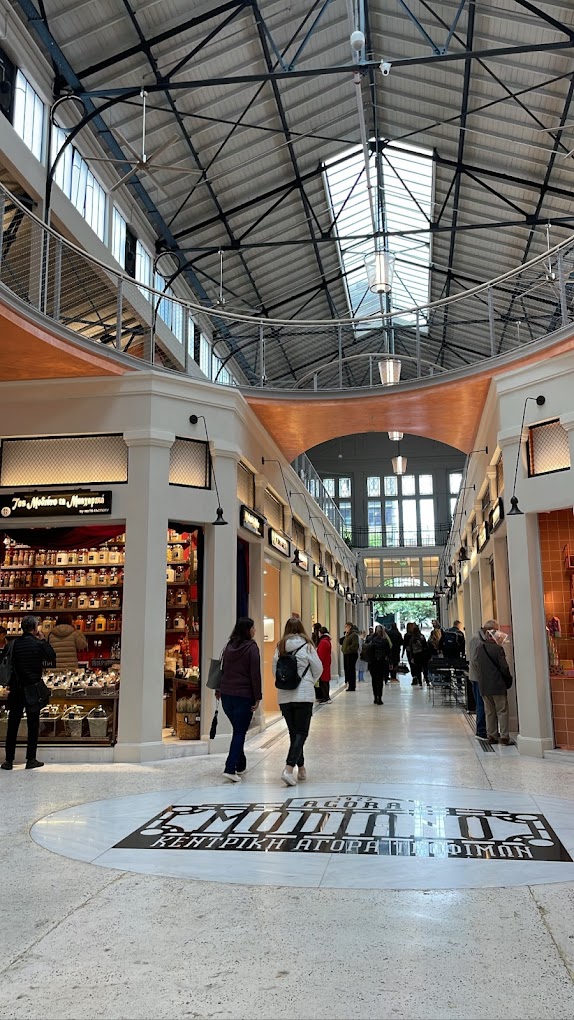
The market is extra than just a place to save; it is a cultural hub where people from all walks of existence come together, reflecting the multicultural records of Thessaloniki.
It’s an area in which it is easy to enjoy the authentic environment of Thessaloniki, with the hustle and bustle of carriers and clients, the aroma of fresh meals, and the lively atmosphere.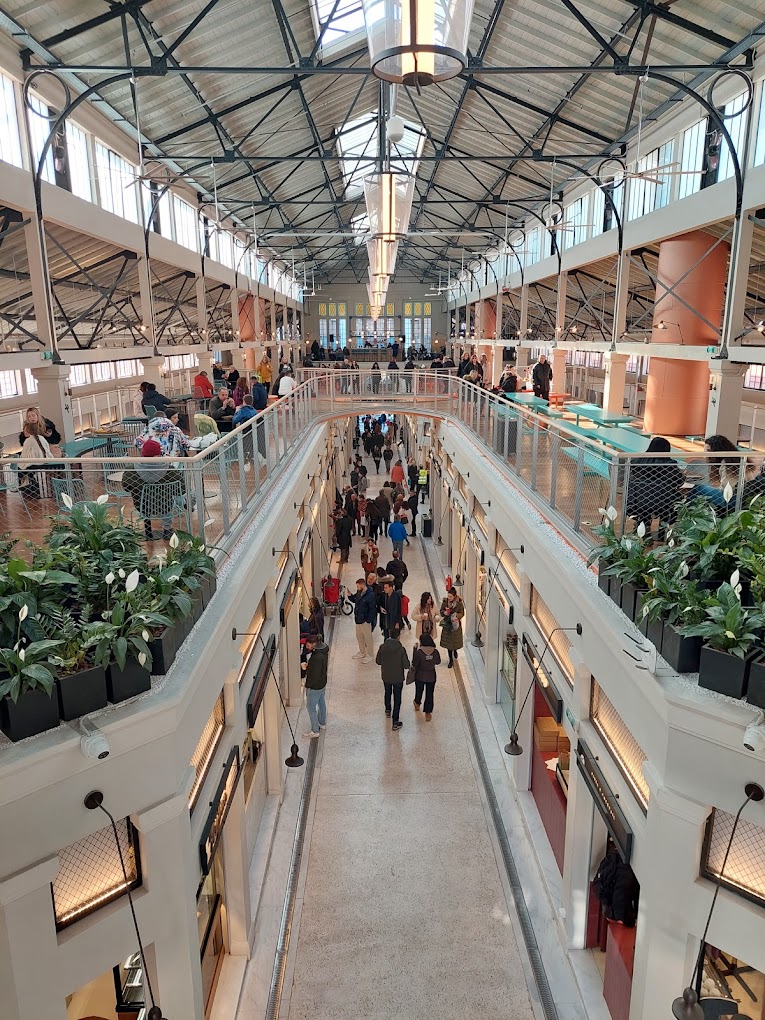
Agora Modiano underwent a big recuperation and modernization task that became finished in 2022. The maintenance aimed to hold its historic person while updating its facilities to meet current requirements.
The market now offers a blend of traditional and current stories, attracting both locals and vacationers.Visiting Agora Modiano is a must for anybody in Thessaloniki who wants to experience the neighborhood culture, taste clean and traditional foods, and revel in the energetic marketplace atmosphere.
It’s a incredible area to discover local flavors, from fresh seafood to spices and goodies, as well as to engage with the pleasant companies who are usually prepared to percentage testimonies and pointers.
Agora Modiano remains one in all Thessaloniki’s most loved landmarks, supplying a vibrant picture of the city’s culinary and cultural historical past. -
Ano Poli – (the upper City )
“Ano Poli” (Άνω Πόλη) is a historic and picturesque district in Thessaloniki, Greece.
Known because the “Upper Town,” this vicinity offers a glimpse into the town’s wealthy history and conventional structure.
Ano Poli is one of the few regions of Thessaloniki that survived the Great Fire of 1917, (maintaining its Ottoman and Byzantine architectural impacts.
Narrow, Winding Streets: The place is characterized by way of its narrow, winding cobblestone streets, conventional homes with colorful facades, and scenic views of the town and the Thermaic Gulf.
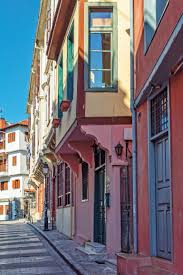
Ano Poli is domestic to numerous big monuments and churches, such as the Vlatadon Monastery, Church of Saint Nicholas Orphanos, and parts of the Byzantine Walls that after surrounded the town.
Due to its elevation, Ano Poli offers beautiful panoramic views of Thessaloniki, making it a famous spot for both vacationers and locals.
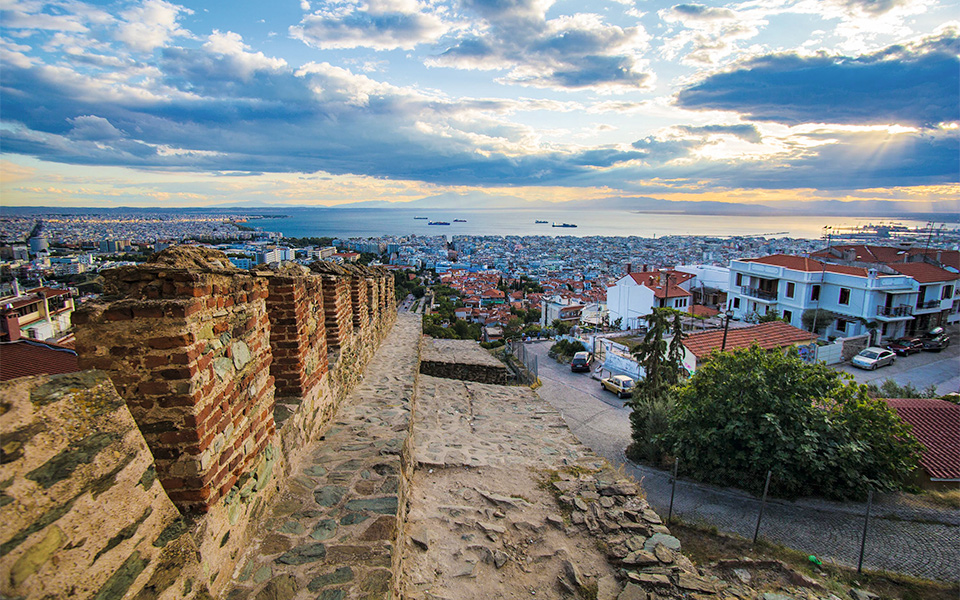
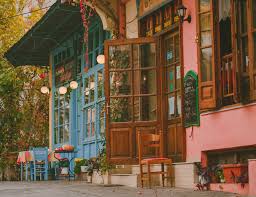
The location is a mix of antique and new, with conventional tavernas, cafes, and small shops nestled inside its historical streets, imparting a flavor of genuine Greek lifestyle.
Visitors regularly discover Ano Poli strolling, taking part in its captivating surroundings and ancient web sites.
It offers a favourite spot for photographers because of its particular structure and scenic views.
There are plenty of Local tavernas and cafes provide traditional Greek dishes and drinks, permitting visitors to revel in local delicacies in a historic setting.
Ano Poli is a must-visit for all people traveling to Thessaloniki, presenting a serene get away from the bustling metropolis center while offering a deep connection to the town’s past.You will enjoy it for sure.
 Thessaloniki Apartments